
On September 9th 1900, nearly 40 years after the Emancipation Proclamation and the first Juneteenth, the deadliest storm in US history hit the opulent town of Gavelston, Texas. Gavelston was and is still today a picturesque old Victorian-styled town, with a wide expanse of sea that sprawls along the horizon, always waiting to swallow it whole.
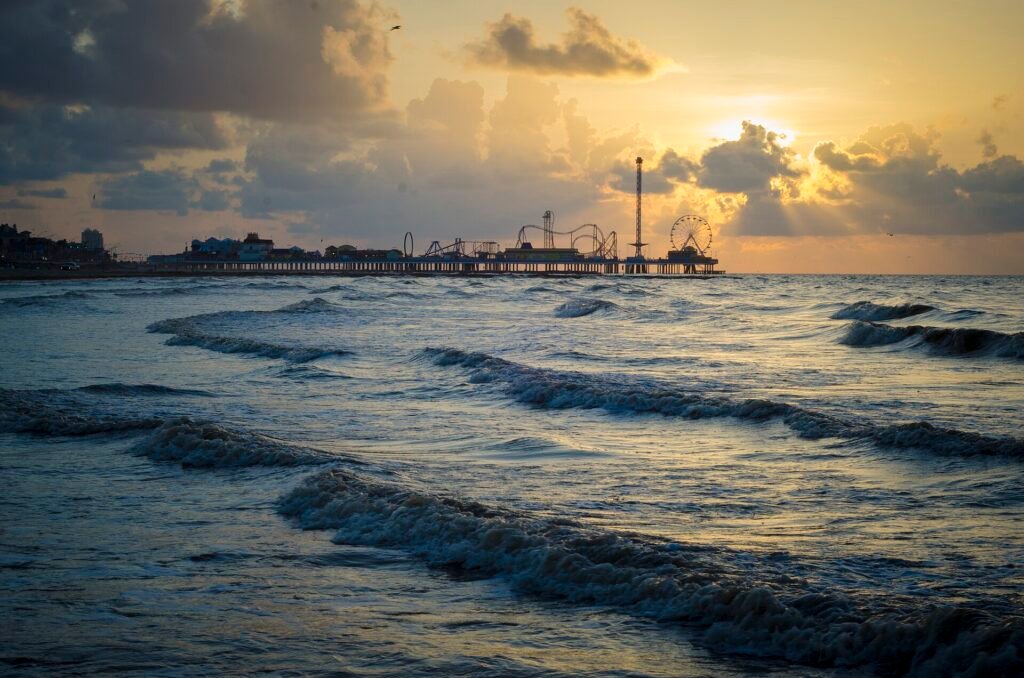
Gavelston Beach
Recently, I saw a community comment on a real estate article reviewing the especially low priced luxury homes along its coastline, calling the homes along Gavelston’s shoreline “coffins on stilts”.
And a peering into Gavelston’s spooky history might tell you why: while the storm of all storms happened decades before apocalyptic fears of climate collapse, there was Gavelston’s 1900s storm— the most deadly in all of US history still to this day, where 7000-12000 in one night lost their lives.
One of the bittersweet parts of the Gavelston story to my eye is the fact that many more of these deaths were likely very preventable. As I read two accounts of the tale recently, Issac’s Storm by Erik Larson and Through a Night of Horrors, edited by Casey Edward Greene, and Shelly Henley Kelly, I learned that Issac, the town weatherman whose personal hubris and loyalty to authority was likely a contributing factor, apparently lied that his actions had saved many more lives. Indeed, the truth was, the weather reporting authorities of the time in Washington DC forbade Issac from alerting the public properly, in part due to racism and nationalist competition against more accurate weather men’s warnings from neighboring Cuba, and also due to a need to preserve economic status quo for the city. Gavelston at the time was one of the richest cities in America and a major port for cotton and other goods to and from the American South, it was considered the Ellis Island of the South, diverse and so wealthy that at the height of it’s growth it was slated to grow with the likes of cities like San Francisco and New York.
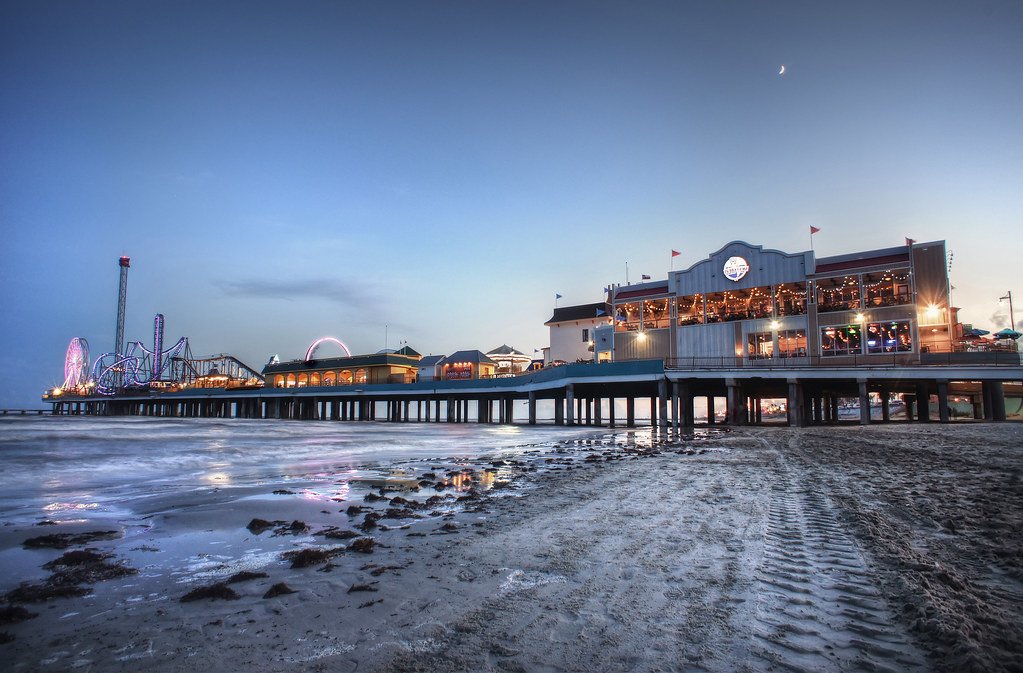
Present Day Gavelston with Glowing Pleasure Pier at Night
We never hear so frequently about the grandiosity of this now smallish beach town today because of this very storm. At the turn of the century, homes built in this Victorian style were subject to flood damage and fire, and as the waves rolled in from the bay on that fateful night, a wall of home debris 20 feet high smashed as a tidal wave into hundreds of homes, creating a burm of wood pieces and corpses that stretched out and across in crescent formation towards the center of the city.
Telegraphs, the main lines for outside communication, were out for days, and the railroad connecting Gavelston island to the mainland was washed away. More grotesquely, thousands of bodies were burned and buried at sea over the course of weeks, with men forced into labor at gunpoint to complete this task.
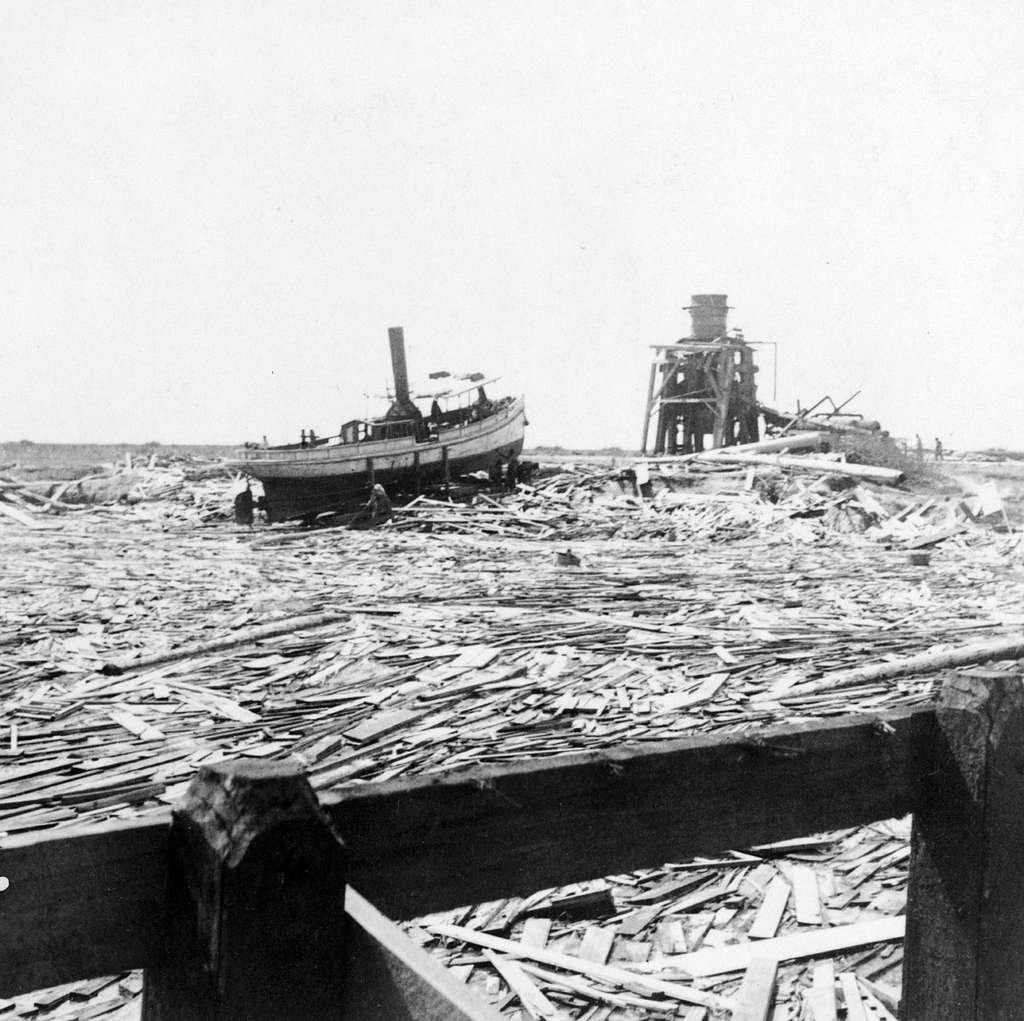
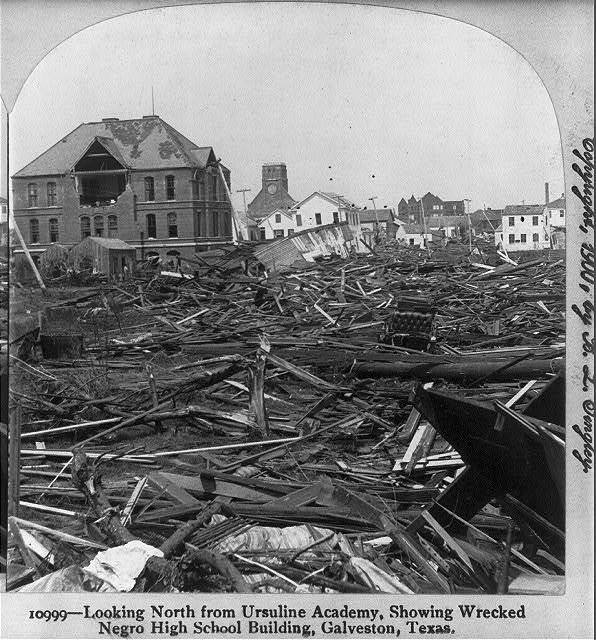
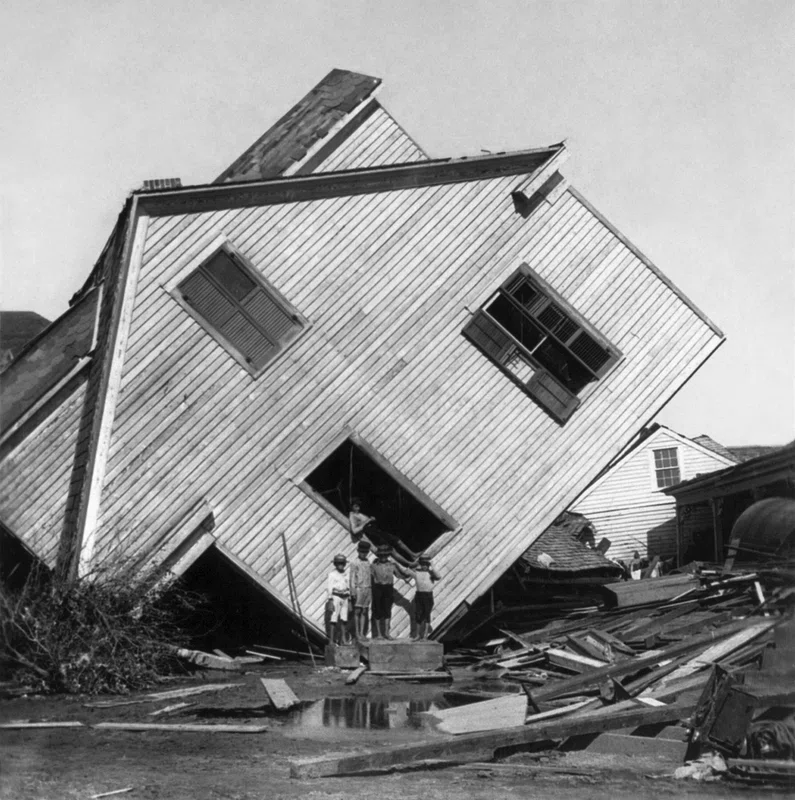
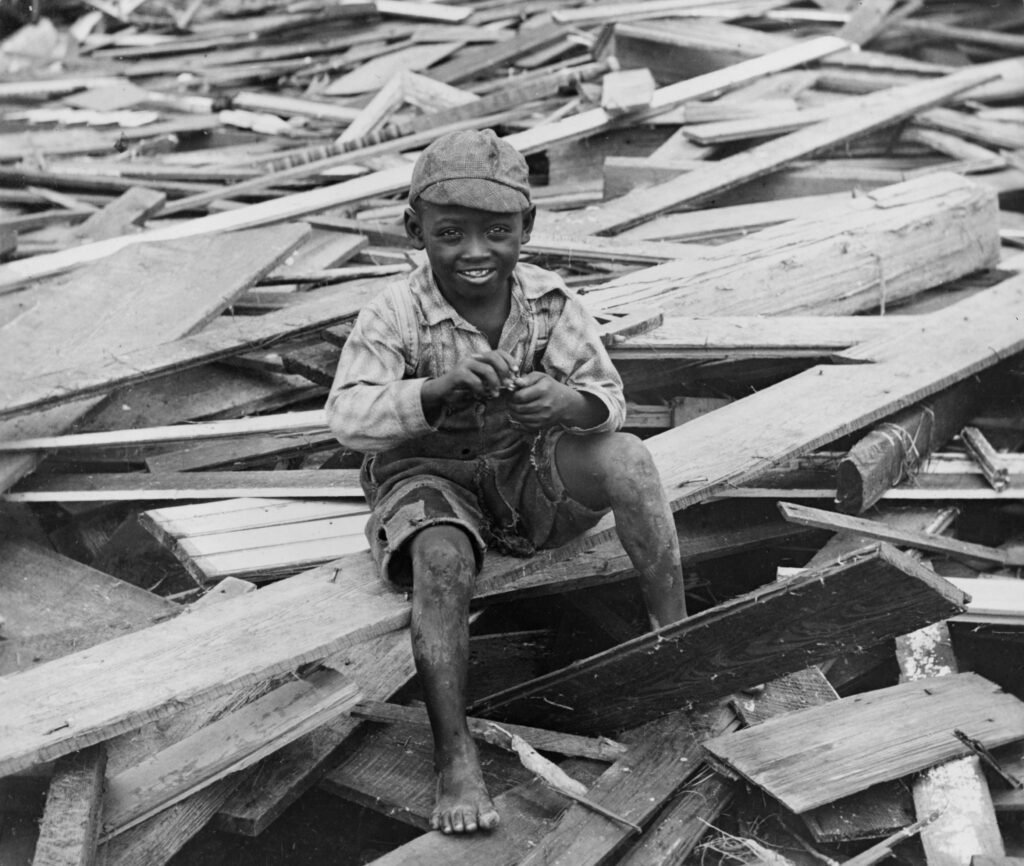
Photos of the 1900s Storm Aftermath
- Ship on sea of house debris, 2. Wood wreckage of housing, 3. House tilted sideways 4. Child survivor smiles resilient amidst the rubble
Today, Gavelston sits quietly and unassuming along a grayish beach with fine sand whipped into spirals that covers all surfaces, dusting your pores and eyelashes. Vintage cars and buggy’s zoom past the wide highway along the Seawall built after the great storm, blasting modern party music through stereos as beach-goers walk along the strip of land overlooking the dark churning sea. Along peers sit a fishing rental music bar and a small amusement park which precariously hang out into the occasionally deadly waters. On a night I stay there, my phone pings a high tides alert in the evening, warning swimmers to stay out of the sea. The north side of the beach, now filled with new condos on stilts, is eerily flat, the flat open fields stretched wide give a sense of panic like claustrophobia— platyophobia, I learn is the proper word– the fear of flatlands, definitely applies here. There are two buildings that look tall enough to survive what will certainly be another one someday coming. I wonder how the residents of the twin towers that look most reinforced must imagine the possibility of sheltering in place…
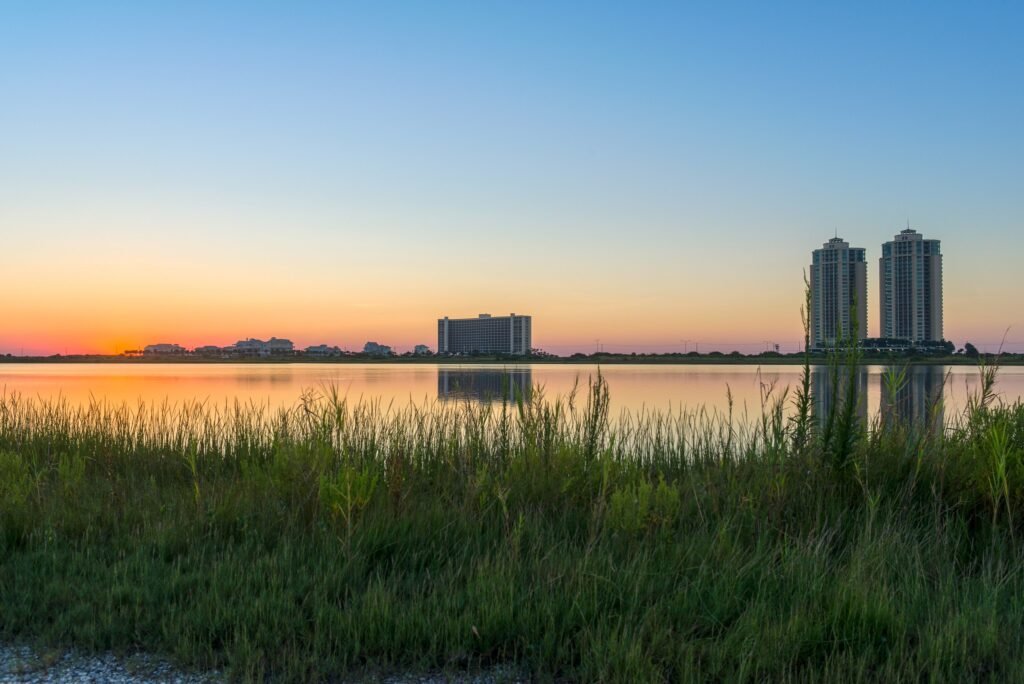
Twin towered modern apartments and a distant hotel dot the otherwise flat skyline of Gavelston island’s far east beach.
In 1900s, this desolate and far corner of the beach town sits in a zone that most certainly would have simply been indistinguishable from the deep ocean at the height of the storm. There would be nothing to clutch onto, no trees to withstand such rising tides on such flat landscapes, only grasses suddenly buried under 15 feet of sea. The clouds that form look similar to those one sees not on land, but on the high seas.
Present day Huston, the sister city of former Galveston is the urban center which has taken the historic towns place as the center of commerce for the Texan gulf coast. Some reports say this was a boon for Hustonian businessmen at the time, which was always in competition with the once opulent island.
Gavelston is also home to the history of the origins of Juneteenth, when armed Union soldiers traveled to the southern port city to liberate trafficked African Americans nearly two and a half years after the official signing of the emancipation proclamation that should have marked the end of slavery.
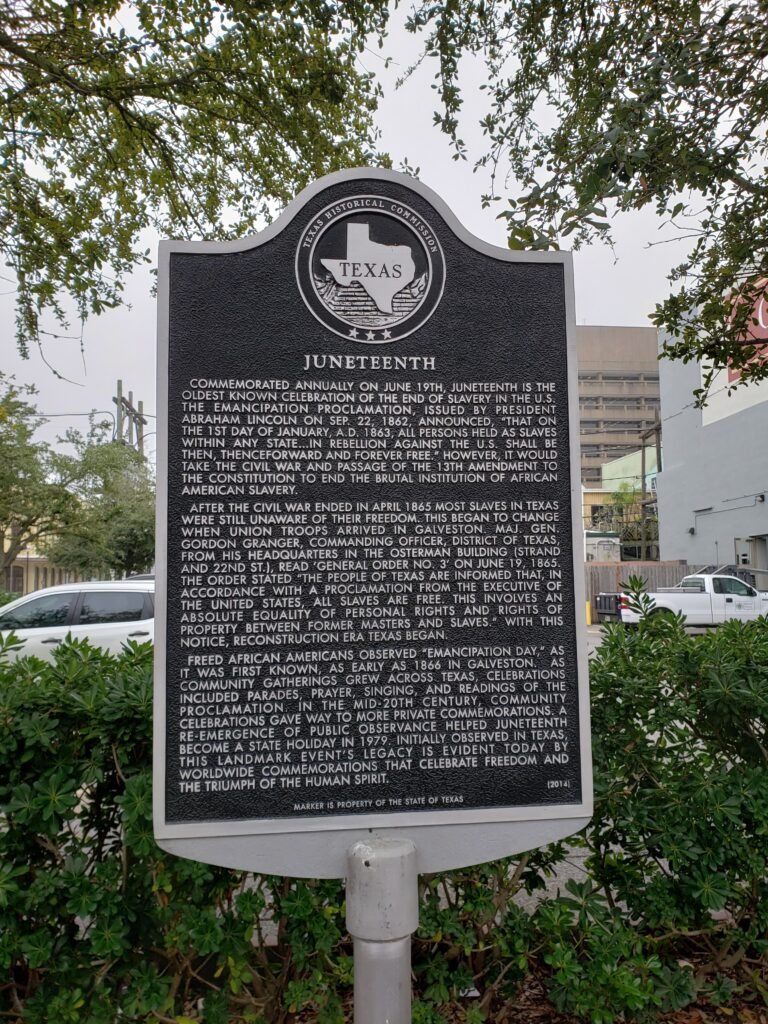
Juneteenth Historical Plaque, Gavelston, TX
I was taught about Juneteenth from a friend years ago in Hawaii while organizing a Climate Strike and Festival and supporting the Women’s March in 2016-2018. We discussed combining forces to support getting the word out, and expanding Juneteenth celebrations to Hawaii, whose black population is small but mighty. To my knowledge, Ohana Black organization still hosts Juneteenth celebrations on the Big Island today. It’s exciting to see the mostly southern holiday spread and gain traction in the wider United States and in the mainstream. Its exciting to be included and to learn about and support it.
Juneteenth in some ways seems to be a bittersweet holiday. To me it’s a cautionary reminder that freedom is not just administrative but often must be fought for, and that we cannot always trust all people to do what is right when enforcing just laws. I find it sad and upsetting that many traffickers of black people in the remote South intended to keep the law liberating them a secret. Juneteenth celebrates a blessed but delayed justice of letting black southerners know of the legislation passed. In fact, as recently as 1963, the tragic case of Mae Louise Miller and her family experienced this fate far beyond the origins and intentions of Juneteenth, trafficked well into modern times in a rural community preventing the family from knowing their freedom was enacted into law. Sadly, as economic conditions and prison reforms stall, many labor injustices that echo this need for continued liberation work continue. Unpaid or poorly paid labor in prisons acts as a loophole for continued exploitation particularly of black and brown people, and for me Juneteenth is a reminder of our collective responsibility to continue to free those who have been taught illegally that they are not– to continue to liberate our fellow living beings from such injustices.
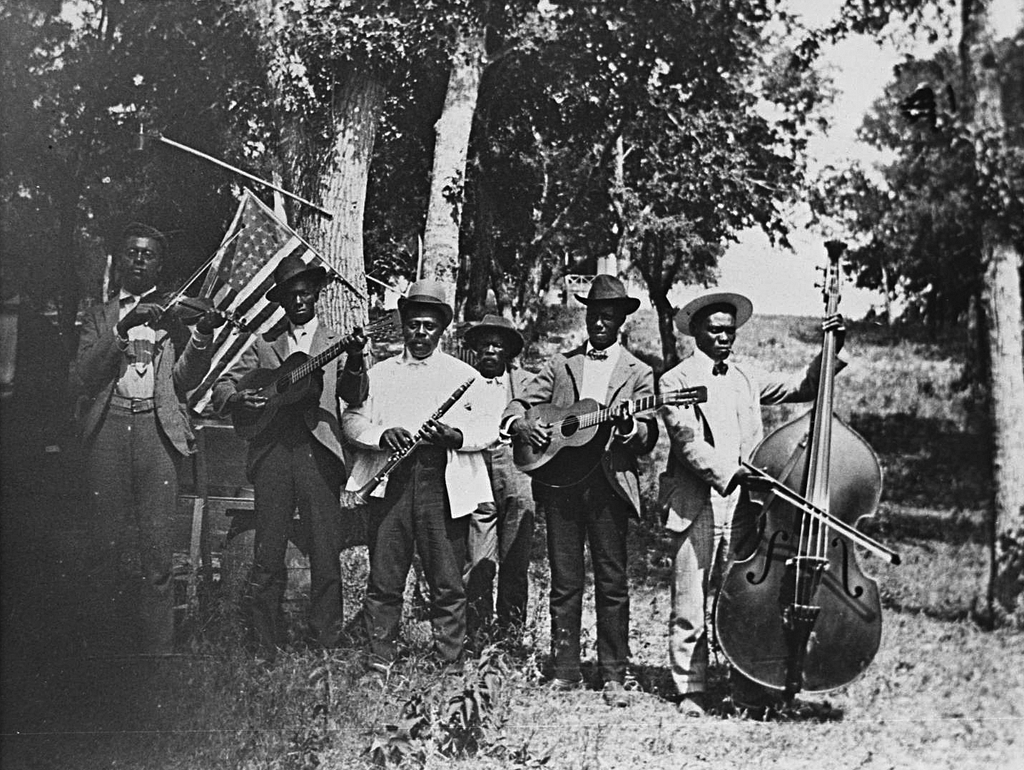
Emancipation Celebration Day Band, 1900
40 years after the first Junteenth, it isn’t lost on me that Gavelstons horrific storm conscripted many of these same men and their children back into unwilling servitude as “deathgangs” and cleanup crews— both black and white men alike were conscripted to these emotionally devastating tasks, given whiskey every 30 minutes to numb their trauma and sorrows. In a first hand account journal entry by a young teenage boy, he was given permission to leave, deemed thankfully too young to be conscripted.
The Rosenberg library has a small but excellent exhibit on the stories of the storm and deep collections of history compiled in the books I read on the topic of the storm. In my light research, something stuck out: the absence of first person accounts from Gavelston’s black residents. In the recent past, a temporary exhibit of black experiences during the storm were temporarily showcased at the Rosenberg library, and I’m hopeful they’ll expand the call for more community stories for preservation and a permanent exhibit in the future. While the past social norms of discrimination may have kept these voices quiet then, we have a brief and important opportunity to strive to preserve what could be left now.
As an antiracist and prison abolitionist, the story of Gavelston’s rise to power, central role in African American southern identity for Juneteenth and liberation pride, and the storms influence in attempts at regressing progress a few short years later are warning posts and reminders, I am reminded that the fight for liberation is never fully completed or done. While Gavelston was hailed as a diverse and resilient community at it’s height, the trauma of the storm left an opening for negative propaganda against people of color and a brief but undoubtedly painful era or martial law and re-conscription, which contributed to the subsequent era of Jim Crow. Indicating solemnly that progress always ebbs and flows, and we can never have too much to protect us from regressive campaigns that arise opportunistically. To this day many people are still living in unfree conditions in America, and civil rights and black liberation history benefit all races when it comes to following roadmaps to revolutionary change and genuine universal liberty, democracy and freedom for all.
As a climate and social justice advocate I think there are many takeaways from this strange and macabre historical tale as well. From a climate justice perspective, it’s a testament to how important early warnings and storm preparedness is, including the imperative to act quickly on climate restoration. In a year when NOAA and many other important scientific federal agencies have been de-funded, Gavelston’s 1900s storm is a dire warning against despotic centralization of power and an excess of human hubris, and a call for caution and prudence in heeding the warnings of mother nature. In modern times, Gavelston’s population recovery and relative hardiness against similarly large storms weathered because of effective engineering and new building methods, is also a testament to our human capacity to weather bigger storms in the future, especially when we effectively engineer our living spaces by heeding the wisdom we have gained from nature in the past.
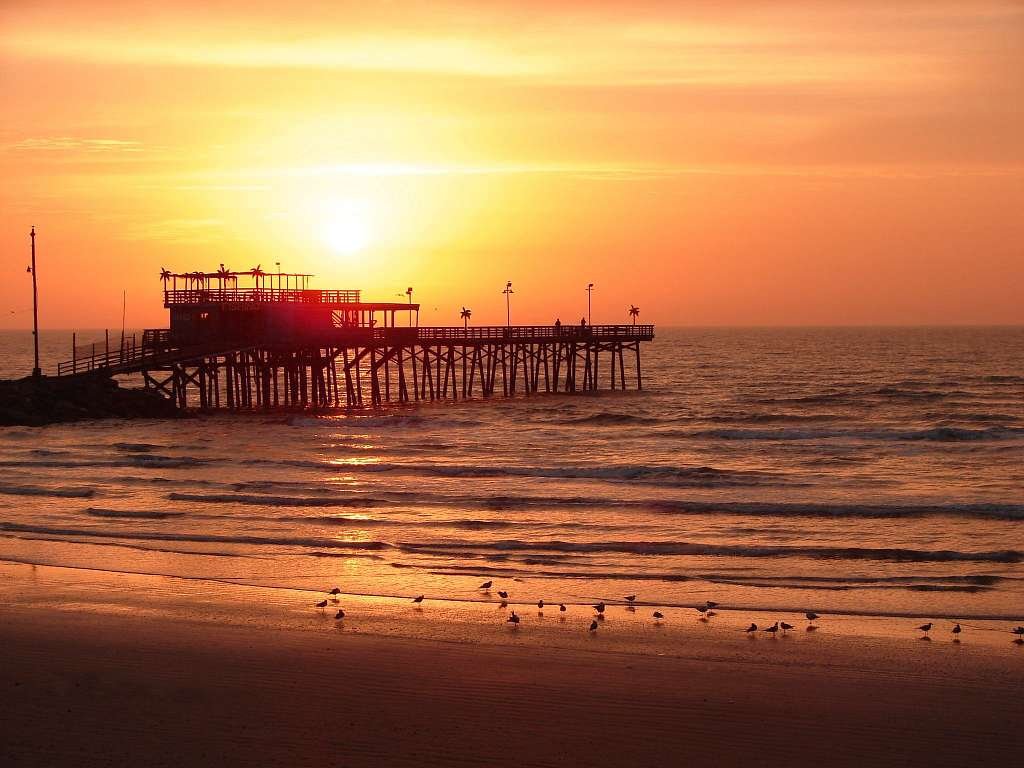
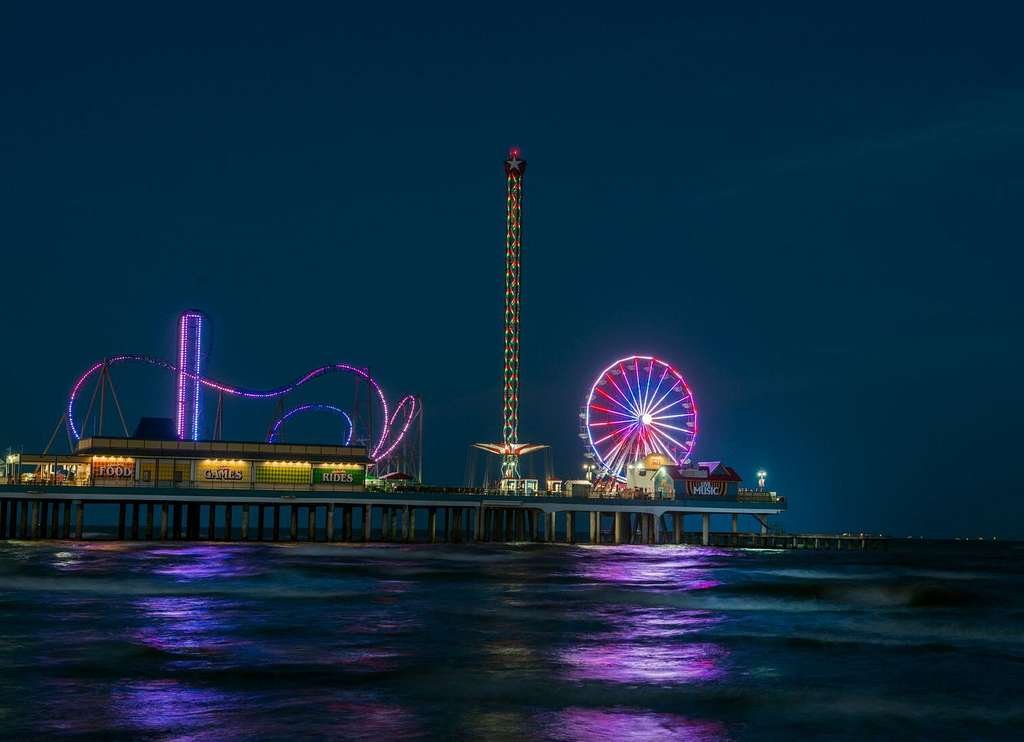
Images of Gavelston’s Fishing and Pleasure Piers
——
Please note, I may periodically edit blogs as living documents for improved flow, accuracy and clarity.
Leave a Reply